The Ultimate Guide to Food & Beverage Commercial Real Estate in Nigeria (2026): How to Choose the Right Restaurant, Warehouse & Food Production Space
The Ultimate Guide to Food & Beverage Commercial Real Estate in Nigeria
Introduction
Nigeria’s food and beverage industry continues to expand as urbanization, population growth, and changing consumer lifestyles drive demand for restaurants, bakeries, supermarkets, cloud kitchens, food factories, and beverage production facilities. Whether you’re launching a new restaurant in Lekki or expanding a food processing factory in Ogun State, choosing the right commercial property can determine whether your business succeeds or struggles.
Why Commercial Real Estate Matters for Food Businesses
Location is far more than an address—it directly influences customer traffic, operational efficiency, logistics, staffing, branding, and profitability.
According to industry estimates, Lagos alone is home to more than 20 million residents, making it Nigeria’s largest consumer market. Areas such as Victoria Island, Lekki Phase 1, Ikoyi, Ikeja, Maryland, Surulere, Yaba, Ajah, and Festac each serve different customer demographics and purchasing power.
Selecting the wrong property could increase operating costs by millions of naira every year.
Different food businesses require different property types.
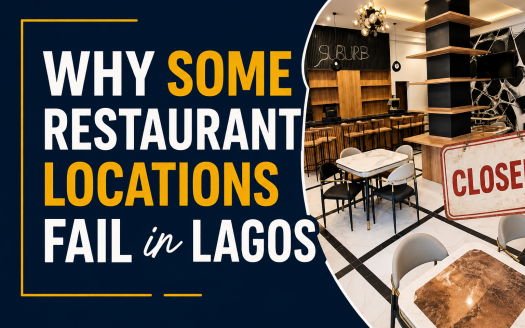
Restaurant Spaces
Ideal for:
- Fine dining restaurants
- Fast food outlets
- Cafés
- Coffee shops
- Pizza outlets
- Sports bars
Key requirements include:
- Excellent visibility
- Adequate parking
- Strong pedestrian traffic
- Exhaust system approval
- Outdoor seating opportunities
Commercial Kitchens
Perfect for:
- Cloud kitchens
- Catering businesses
- Meal preparation companies
- Food delivery brands
Look for:
- Reliable electricity
- Industrial drainage
- Food-grade flooring
- Gas installation
- Health compliance
Food Processing Facilities
Suitable for:
- Bakeries
- Beverage manufacturers
- Packaged food companies
- Frozen food businesses
Prioritize:
- High ceilings
- Heavy-duty power supply
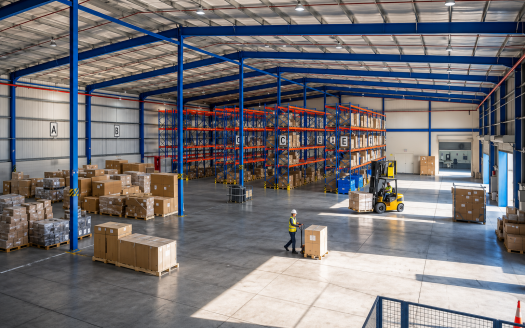
- Loading bays
- Large storage areas
- Industrial water supply
- FMCG companies
- Cold chain operators
- Beverage distributors
- Wholesale food businesses
Important considerations include:
- Easy truck access
- Security
- Dock loading
- Temperature control
- Proximity to major highways
Lekki Phase 1
Ideal for premium restaurants, cafés, bakeries and dessert brands targeting affluent residents.
Victoria Island
Perfect for upscale restaurants, international food brands and corporate dining concepts.
Ikeja
Excellent for food production companies, corporate catering, and distribution businesses because of its central location.
Yaba
Popular among students, technology professionals, and affordable dining concepts.
Surulere
A growing market for family restaurants, fast food chains and lounges.
Apapa
Strategic for warehouses, beverage distribution and import/export food businesses because of its proximity to Nigeria’s busiest ports.
- Location & Customer Accessibility – Choose areas where your target customers already live, work or shop. Accessibility significantly influences daily sales.
- Power Supply – Food businesses depend heavily on refrigeration, cooking equipment and lighting. Ensure reliable electricity or adequate generator capacity.
- Ventilation & Health Compliance – Confirm the building supports proper ventilation, drainage and health regulations before signing any lease.
- Parking Availability – Restaurants with sufficient parking generally provide a better customer experience and can attract more repeat visitors.
- Expansion Potential – Select premises that allow your business to grow without relocating within a few years.
- Logistics & Deliveries – Easy access for suppliers, delivery vehicles and logistics partners reduces operating costs and improves efficiency.
- Lease Terms & Hidden Costs – Carefully review rent, service charges, legal fees, agency fees, maintenance obligations and rent review clauses before committing.
Common Mistakes Food Entrepreneurs Make
Many businesses fail not because of poor food quality but because of poor property decisions.
Common mistakes include:
- Renting spaces with inadequate kitchen ventilation.
- Ignoring customer parking.
- Choosing locations solely because of cheaper rent.
- Underestimating renovation costs.
- Signing long leases without break clauses.
- Overlooking local government permits.
- Failing to estimate utility expenses.
How Much Does Food Commercial Space Cost in Lagos?
Rental costs vary depending on the location, building quality and property size.
Typical annual rent ranges include:
- Lekki Phase 1 restaurants: ₦15 million – ₦80 million+
- Victoria Island restaurant spaces: ₦25 million – ₦150 million+
- Ikeja warehouses: ₦18,000 – ₦45,000 per sqm
- Industrial facilities in Ogun State: often lower than comparable Lagos locations, making them attractive for manufacturing operations.
Always budget an additional 20–40% for agency fees, legal fees, fit-out costs, equipment installation and operational setup.
Why Work With a Commercial Real Estate Advisor?
A specialist commercial real estate advisor can help you:
- Identify off-market opportunities.
- Negotiate better lease terms.
- Reduce occupancy costs.
- Avoid unsuitable properties.
- Conduct property due diligence.
- Estimate renovation budgets.
- Match your business model to the right location.
This saves time, minimizes risk and positions your business for sustainable growth.
Conclusion
Commercial real estate is one of the biggest investments any food and beverage business will make. The right location can increase customer traffic, improve operational efficiency and accelerate profitability, while the wrong property can create unnecessary expenses and limit growth.
Whether you’re opening a café in Lekki, launching a restaurant in Victoria Island, operating a bakery in Ikeja or establishing a food processing facility in Ogun State, taking the time to evaluate the right commercial property is an investment that pays long-term dividends.
FAQS
1. What is the best location in Lagos for a restaurant?
It depends on your target customers. Victoria Island and Lekki Phase 1 are excellent for premium dining, while Yaba and Surulere suit more affordable concepts with high daily foot traffic.
2. Should I lease or buy commercial property for my food business?
Leasing is often the preferred option for startups because it requires less capital. Buying may be more suitable for established businesses seeking long-term stability and asset appreciation.
3. What permits are required before opening a restaurant in Lagos?
Requirements typically include business registration, tax compliance, food hygiene approvals, local government permits, fire safety compliance and any sector-specific licences relevant to your operations.
4. How much space does a restaurant need?
A small café may operate from 80–150 sqm, while a full-service restaurant generally requires 250–600 sqm depending on seating capacity, kitchen size and storage needs.
5. What should I inspect before signing a commercial lease?
Inspect the building’s power supply, plumbing, drainage, ventilation, structural condition, parking availability, accessibility, service charges, lease terms, zoning suitability and any restrictions on food-related operations.