
- Advanced Search
Change Currency
- NGN
- EUR
- CAD
Change Measurement
- square feet - ft2
- square meters - m2
- acres - ac
- square yards - yd2
- hectares - ha
Our Listings
Recent Comments
Categories
- branding
- budgeting
- Business Growth
- Business location
- Business Location Strategy
- Business Property Advice
- Business relocation
- Buying Properties
- Caution deposit/Security deposit
- cities in nigeria
- Co-working
- coffee shop
- cold storage
- Commercial Kitchen
- commercial kitchen innovation
- commercial property development
- commercial property investment
- Commercial Property Lagos
- Commercial real estate
- Commercial Real Estate Advisor
- commercial real estate broker
- contract
- Cost
- cost of bulding materials
- customer focus
- customer loyalty
- Customer Service
- Design
- digital dinning
- Distribution centre
- Distribution Centres
- Employees
- ESG
- Factory
- floor plans
- Food & Beverage Business
- food brand
- food business expansion
- food waste reduction
- foodtech
- Free Trade zone
- Growing a business
- home decor
- Home improvement
- home renovation
- Hospitality Property
- Hospitality Real Estate
- industrial property
- Industrial Real Estate
- investing in commercial property
- Lagos Business Real Estate
- Lease Agreement
- Leasing commercial property
- Leasing Guides
- living in lagos
- Logistics
- Logistics & Warehousing
- Logistics Hubs
- Manufacturing Facilities
- Marketing
- Mixed-Use Property
- negotiations
- New Office Development In Lagos
- Office Leasing
- office space
- office space furnishing
- Office Space in Lagos
- office space leasing
- office space planning
- Office Space Tips
- Price
- Property Guide
- property infrastructure
- property layout
- Property Market Insights
- PROPERTY ROI
- property valuation
- Real Estate
- rental property
- renting an office space
- rerstaurant design
- Restaurant
- Restaurant Business
- restaurant business growth
- Restaurant Expansion
- Restaurant Investment
- Restaurant Leasing
- Restaurant Operations
- Restaurant Real Estate
- Restaurant Site Selection
- Restaurant Startup Guide
- Retail Business Growth
- Retail Investment
- Retail Leasing
- Retail Location Analysis
- Retail Market Insights
- Retail Property
- Retail Property Management
- Retail Site Selection
- Retail Space
- retail store
- shared office space
- small business
- smart restaurant
- Startups
- supply chain
- sustainable food business
- tenancy agreement
- tenant mix
- Tenant Resources
- tenant screening
- warehouse
- Warehouse Space
- workplace
- Workspace Solutions
-
1-847-555-5555 | contacto@inmobu.com
Your search results



Category Archives: Food & Beverage Business
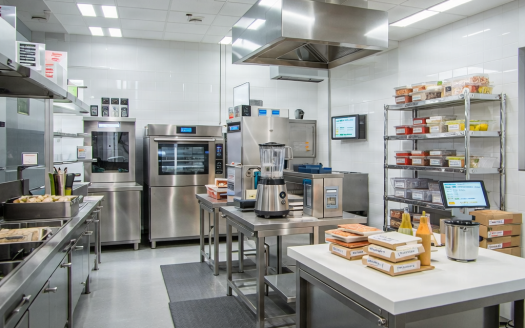
Choosing a Property That Supports Innovation
Innovation is essential for food businesses seeking to improve products and operations, and the right commercial property is key to this process. Flexible layouts and reliable utilities can greatly in ...
Continue reading
AI Tools for Restaurant Operations and Inven...
Artificial intelligence (AI) is transforming restaurant operations, particularly in dynamic markets like Nigeria. AI tools help optimize inventory management and forecast customer demand, enabling own ...
Continue reading
Building a Future-Ready Food Business
Building a future-ready food business is crucial for navigating the evolving market. It requires strategic planning ...
Continue reading
Business Continuity Planning for Restaurants
In the fast-paced world of restaurants, disruptions can threaten operations and customer satisfaction. From power o ...
Continue reading
Future-Proofing Technology Investments in Fo...
In today's fast-paced food industry, technology is essential. From smart refrigeration to cloud-based inventory management, effective tech investments can boost productivity and customer experience. H ...
Continue reading
Commercial Property Trends Affecting Digital...
Digital restaurants are revolutionizing the food industry, reshaping how businesses select and manage commercial pr ...
Continue reading
What Is a Smart Restaurant Building?
Discover how smart building technology is revolutionizing the restaurant industry in Lagos and beyond! From energy- ...
Continue reading
What Is Smart Restaurant Real Estate?
Check out the practical side of smart restaurant real estate, where picking the right spot combines with cool tech ...
Continue reading
What Makes a Restaurant Sustainable?
Designing a sustainable restaurant is an exciting journey that goes beyond simply choosing eco-friendly materials; it's all about embracing a holistic approach that brings together energy efficiency, ...
Continue reading
Green Building Features Every Food Business ...
In today's competitive food industry, adopting green building features is both an environmental choice and a smart business strategy. From energy-efficient lighting to effective waste management, thes ...
Continue reading