How Commercial Real Estate Supports Food Business Growth: The Complete Lagos Guide for Restaurants, Retailers & Food Manufacturers (2026 And Beyond)
How Commercial Real Estate Supports Food Business Growth
Introduction
Every successful food business eventually reaches a stage where its commercial property becomes just as important as its products and services. The right restaurant, retail outlet, food factory, warehouse, or distribution centre can help attract more customers, improve operational efficiency, reduce costs, and create opportunities for long-term expansion. If you’re building a food business in Lagos, your commercial real estate strategy can become one of your greatest competitive advantages.
Why Commercial Real Estate Matters
Commercial property is much more than a place to operate—it’s a strategic business asset.
The right property can help you:
- Increase customer traffic.
- Improve staff productivity.
- Lower logistics costs.
- Strengthen brand visibility.
- Support business expansion.
- Improve customer satisfaction.
Lagos, with an estimated population of more than 20 million people, is Nigeria’s largest commercial market. As residential communities, business districts, and industrial hubs continue to grow, demand for well-located food businesses also increases.
Commercial Property Influences Every Stage of Growth
From startups to established brands, commercial real estate affects how efficiently a business operates.
Startups
New businesses benefit from:
- Flexible lease terms.
- Strategic locations.
- Affordable occupancy costs.
- Scalable layouts.
A well-chosen property allows founders to invest more working capital in equipment, staffing, inventory, and marketing.
Growing Businesses
As customer demand increases, businesses often require:
- Larger kitchens.
- Additional seating.
- Expanded production areas.
- Larger storage facilities.
- Better logistics access.
Selecting a property with room for growth can reduce the need for costly relocations.
Established Businesses
Mature food companies may operate:
- Multiple restaurant locations.
- Regional warehouses.
- Food processing plants.
- Distribution centres.
- Corporate offices.
A coordinated property strategy helps maintain consistent operations across all locations.
7 Ways Commercial Real Estate Supports Food Business Growth
- Provides Access to Target Customers – A strategically located restaurant or retail outlet places your business closer to the customers most likely to buy your products. High-visibility locations in areas such as Lekki Phase 1, Victoria Island, Ikeja, and Yaba can improve customer awareness and increase repeat visits.
- Improves Operational Efficiency – Well-designed commercial properties streamline food preparation, production, storage, customer service, and delivery. Efficient layouts reduce unnecessary movement, improve productivity, and lower labour costs.
- Supports Business Expansion – Choosing a scalable property allows your business to grow without frequent relocation. Facilities with room for additional seating, production equipment, warehouse storage, or office space support long-term growth.
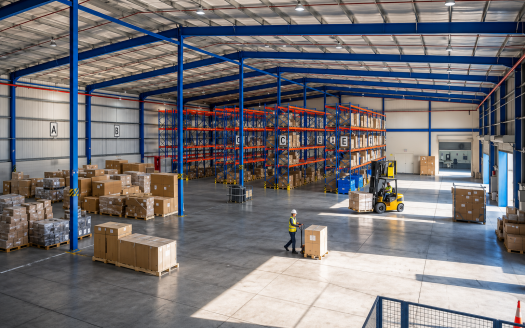
- Strengthens Supply Chain Performance – Warehouses and distribution centres located near major highways, industrial areas, and ports reduce transportation costs, improve inventory management, and enable faster deliveries across Lagos and other Nigerian cities.
- Enhances Brand Image – Modern, well-maintained commercial properties strengthen customer confidence and reinforce your brand identity. The quality of your location often influences how customers perceive the quality of your food and service.
- Reduces Long-Term Operating Costs – Properties with reliable infrastructure, energy-efficient systems, efficient layouts, and convenient logistics can lower utility, maintenance, transportation, and staffing costs over time.
- Increases Long-Term Business Value – A strategic commercial property portfolio can support market expansion, improve operational resilience, strengthen profitability, and make the business more attractive to investors or lenders.
Best Commercial Property Types for Food Businesses
Restaurants
Ideal for:
- Fine dining.
- Casual dining.
- Cafés.
- Quick-service restaurants.
- Dessert brands.
Retail Food Outlets
Suitable for:
- Supermarkets.
- Bakeries.
- Convenience stores.
- Specialty food retailers.
Food Production Facilities
Best for:
- Food processing.
- Beverage production.
- Commercial kitchens.
- Packaging operations.
Warehouses and Distribution Centres
Essential for:
- Inventory storage.
- Cold chain logistics.
- Regional distribution.
- Wholesale food operations.
Best Lagos Locations for Food Businesses
Victoria Island
Suitable for premium restaurants, hospitality businesses, and corporate dining.
Lekki Phase 1
Excellent for cafés, bakeries, lifestyle restaurants, and specialty food brands serving affluent residential and commercial communities.
Ikeja
A leading commercial and industrial hub for food manufacturing, warehousing, logistics, and corporate support operations.
Ajah and Sangotedo
Rapid population growth creates strong opportunities for supermarkets, neighbourhood restaurants, bakeries, and quick-service outlets.
Lekki Free Zone
An attractive destination for food manufacturing, export-oriented processing, industrial warehousing, and logistics.
Common Commercial Property Mistakes
Avoid these mistakes:
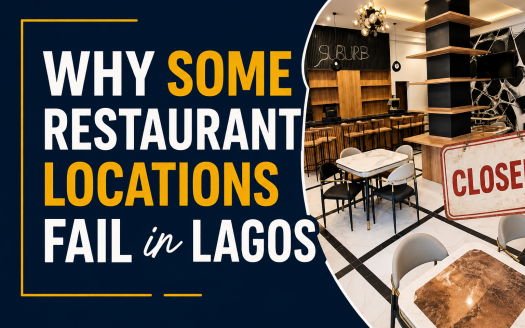
- Choosing locations based only on low rent.
- Ignoring customer accessibility.
- Underestimating occupancy costs.
- Leasing properties without expansion potential.
- Overlooking infrastructure quality.
- Ignoring logistics requirements.
- Skipping proper due diligence.
Making informed property decisions can significantly improve business performance.
Why Work With a Commercial Real Estate Advisor?
Commercial real estate advisors understand how property decisions affect business growth.
Professional services include:
- Site selection.
- Market research.
- Property sourcing.
- Occupancy cost analysis.
- Lease negotiation.
- Due diligence.
- Expansion planning.
Their expertise helps businesses secure commercial properties that support operational efficiency, customer growth, and long-term profitability.
Conclusion
Commercial real estate is one of the strongest foundations for a successful food business. Whether you’re opening a restaurant, expanding a bakery, building a food production facility, or operating a nationwide distribution network, the right property can improve efficiency, strengthen your brand, and create opportunities for sustainable growth.
By choosing strategic locations, planning for future expansion, controlling occupancy costs, and investing in facilities that support your operations, food businesses in Lagos can position themselves for long-term success in one of Africa’s most dynamic consumer markets.
Frequently Asked Questions (FAQs)
1. Why is commercial real estate important for food businesses?
Commercial real estate affects customer access, operational efficiency, logistics, staffing, branding, and future expansion. The right property can improve profitability and support long-term business growth.
2. Which commercial properties do food businesses typically need?
Depending on the business model, food businesses may require restaurants, retail outlets, food factories, commercial kitchens, warehouses, distribution centres, and corporate offices.
3. Which Lagos locations are best for food businesses?
Popular locations include Lekki Phase 1, Victoria Island, Ikeja, Ajah, Sangotedo, Yaba, Apapa, and the Lekki Free Zone. The best choice depends on your target market and operational needs.
4. How can I reduce commercial property costs?
Compare total occupancy costs rather than rent alone, negotiate favourable lease terms, choose efficient building layouts, and select locations that reduce transportation and logistics expenses.
5. How can a commercial real estate advisor support my business?
A commercial real estate advisor can identify strategic locations, negotiate lease terms, conduct due diligence, analyse occupancy costs, and develop a property strategy aligned with your long-term business objectives.