Lagos office rents in 2026 need to be understood through more than the amount landlords are asking per square metre. For businesses, the real cost of occupying an office includes annual rent, service charges, power, diesel or alternative energy, security, parking, fit-out, and the upfront payment required to secure the space.
For commercial real estate investors, landlords, tenants, and occupiers, the key questions are: Which locations have become more expensive, what is driving rental demand, and where can businesses still find value?
This guide focuses on the major office markets in Lagos, particularly Victoria Island, Ikoyi, Lekki Phase 1, and Ikeja, and the factors to examine when comparing 2026 rents with 2025.
1. The biggest changes in the Lagos office market
1. Prime offices remain expensive
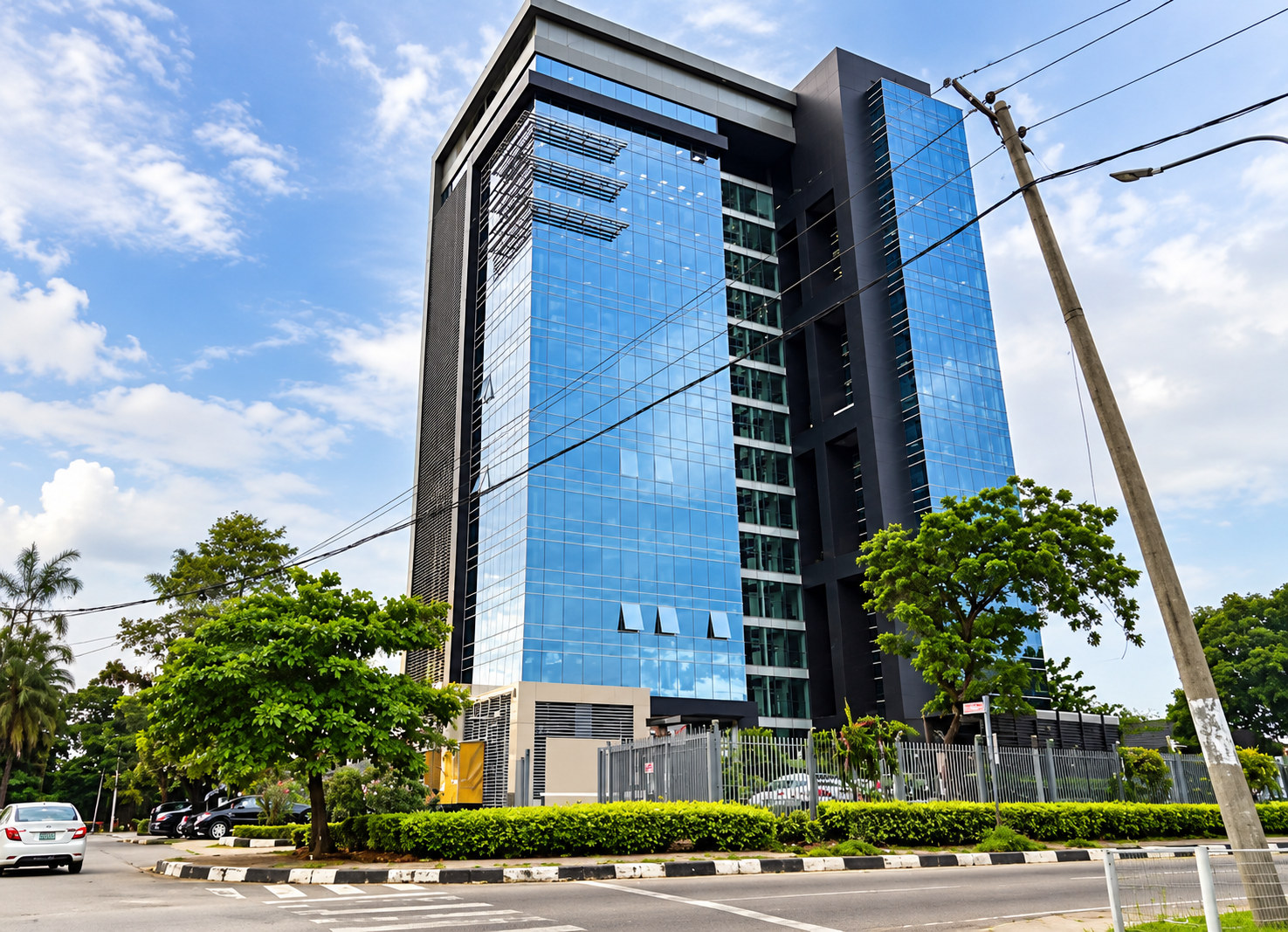
Prime Grade A offices in Ikoyi and Victoria Island continue to attract corporate occupiers, particularly businesses that value location, reliable infrastructure, security and professional facilities. In February 2026, benchmark for prime Lagos office space was approximately US$55 per sqm per month
2. Older offices face greater competition
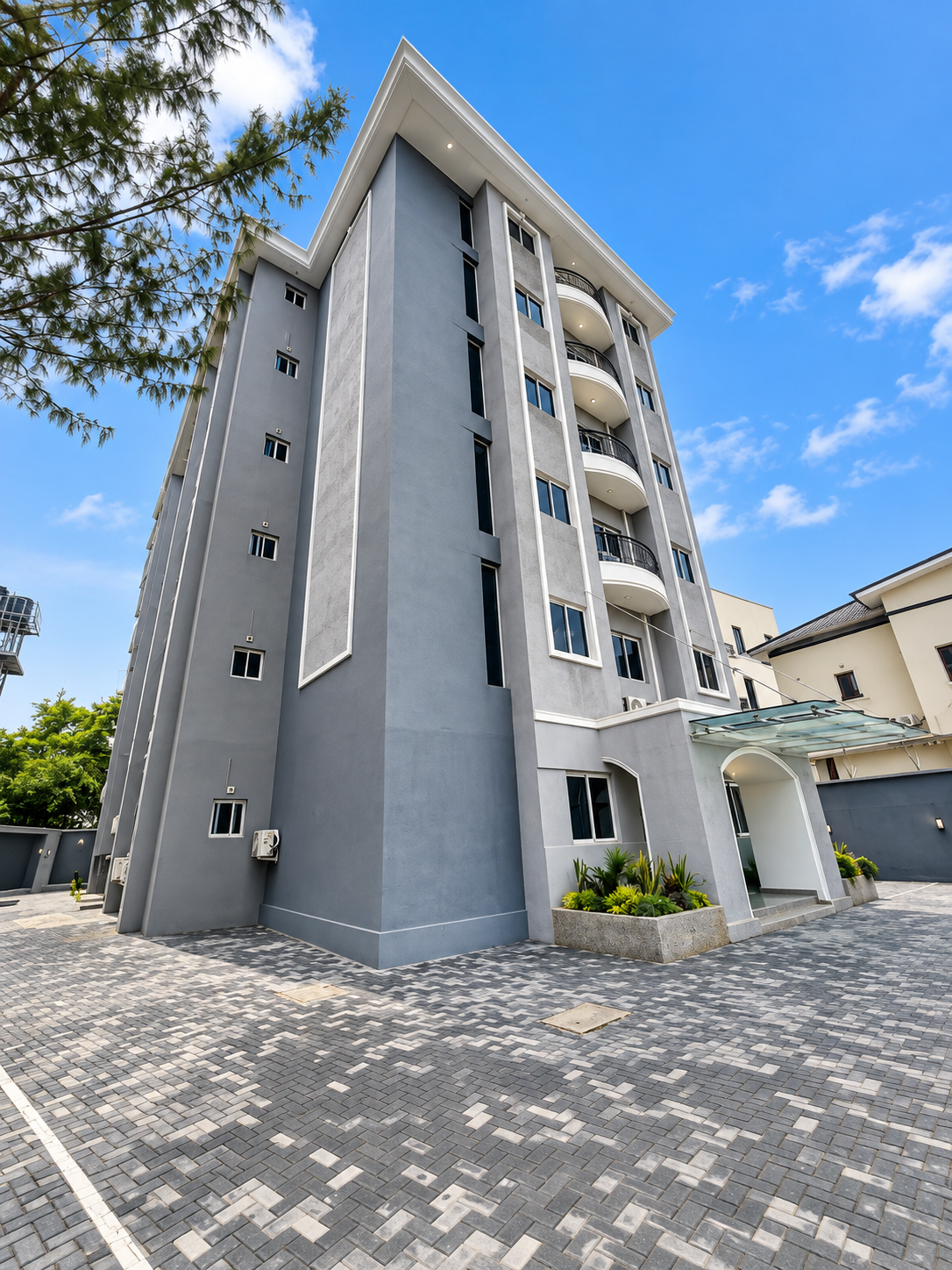
Businesses are increasingly weighing the cost of older buildings against newer properties with better power, parking, security and maintenance. A June 2026 market report described the divide between resilient prime offices and rising vacancies in older Grade B buildings.
3. Ikeja is attracting renewed interest
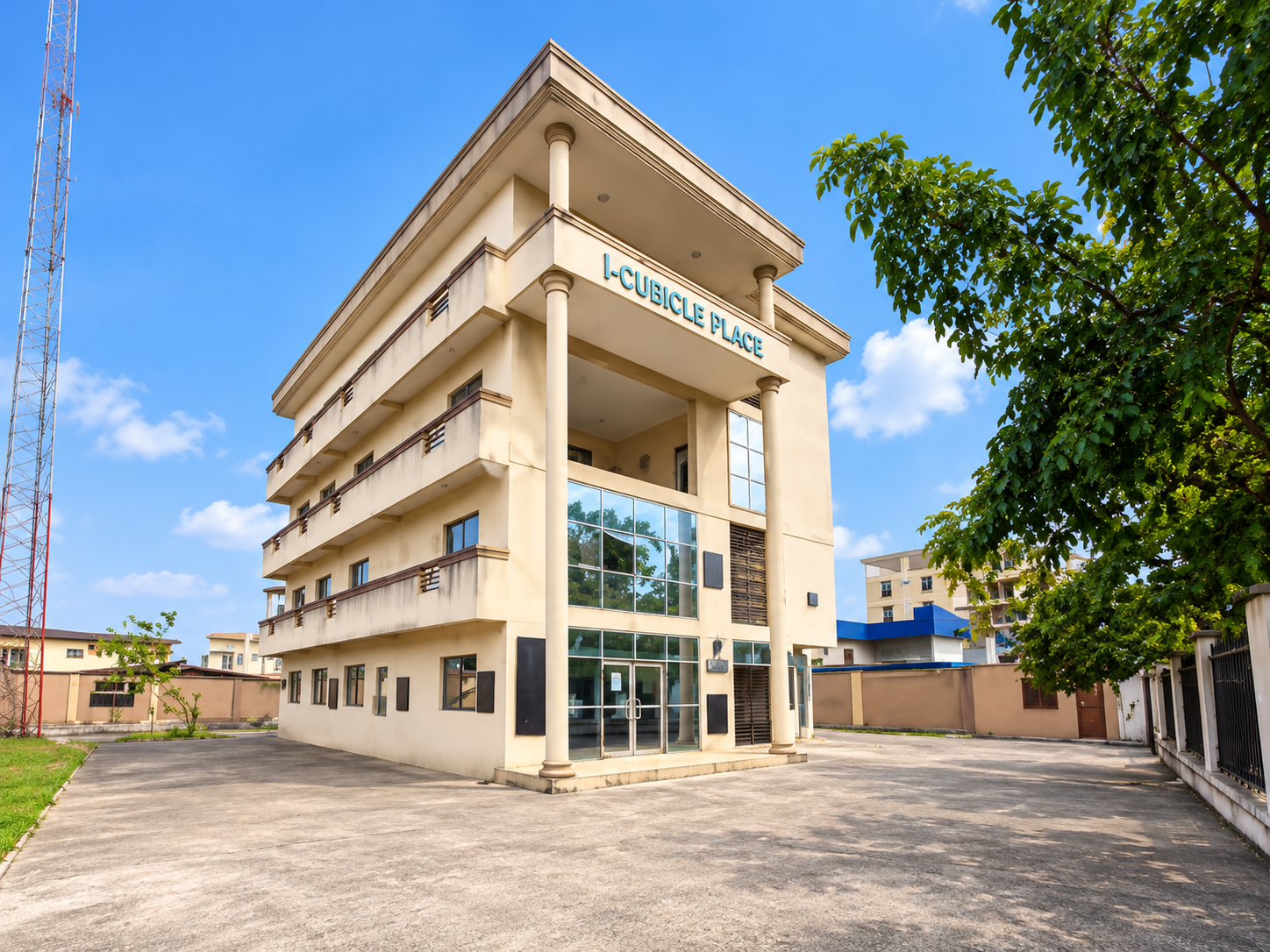
Ikeja remains attractive to businesses seeking access to the airport, Alausa, industrial districts and major transport routes. The arrival of newer office developments, including Phoenix, has added modern alternatives to an ageing office stock.

4. New commercial corridors are developing
The Lekki Free Trade Zone is expanding beyond its traditional industrial base. Completed office space reached 23,182 sqm, with another 45,100 sqm in the development pipeline, according to a report published in June 2026.
2. What happened to prime office rents?
The following figures provide a useful benchmark for understanding the market entering 2026.
Reported Grade A annual rents, US dollars per square metres, H1–H2 2025.
Prime office rents in selected Lagos submarkets
Reported rent per square metre per year in the second half of 2025, compared with the first half where available.
■ H1 2025
■ H2 2025
Source: Troloppe Property Services’ market figures reported in February 2026.
The figures indicate different trends across the submarkets:
- Ikoyi: Reported Grade A rents increased from $650 to $705 per sqm annually, approximately 8.5%.
- Victoria Island: Reported Grade A rents increased from $475 to $595 per sqm annually, approximately 25.3%.
- Ikeja: Prime rents increased from $190 to $205 per sqm annually, approximately 7.9%.
These are changes between the first and second halves of 2025, not percentage increases recorded during 2026. They show the conditions the market carried into the new year.
3. How the major Lagos office locations compare

Victoria Island
Corporate headquarters
Best suited to banks, financial services firms, professional services, energy companies and businesses needing a central corporate address.
What to examine: Building quality, parking, service charges, generator costs and access to clients.
Ikoyi
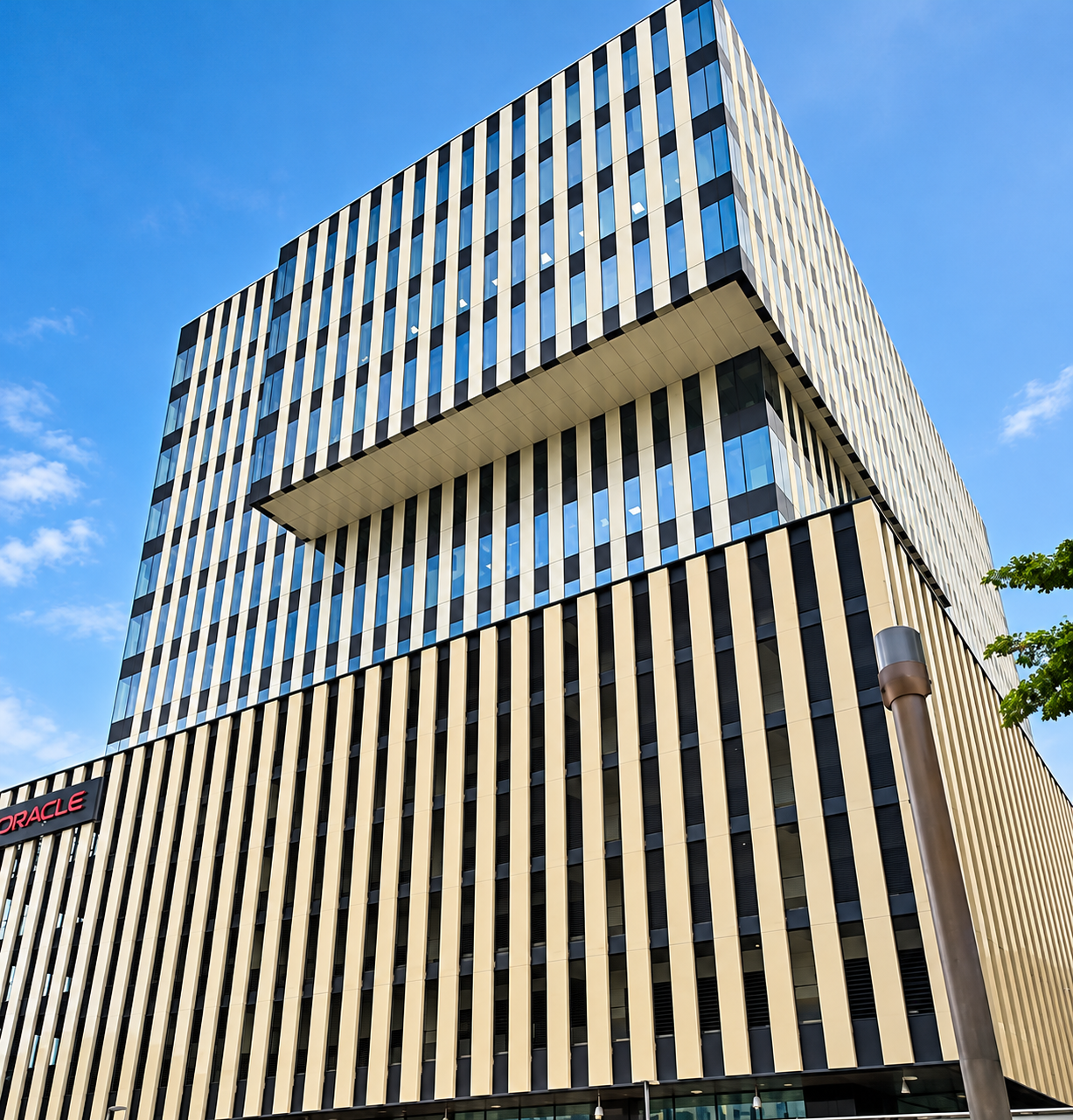
Best suited to executive offices, established professional firms, diplomatic-related businesses and companies prioritising a premium business environment.
What to examine: Prestige, tenant mix, building specification and whether the rent is justified by the business benefits.
Lekki Phase 1
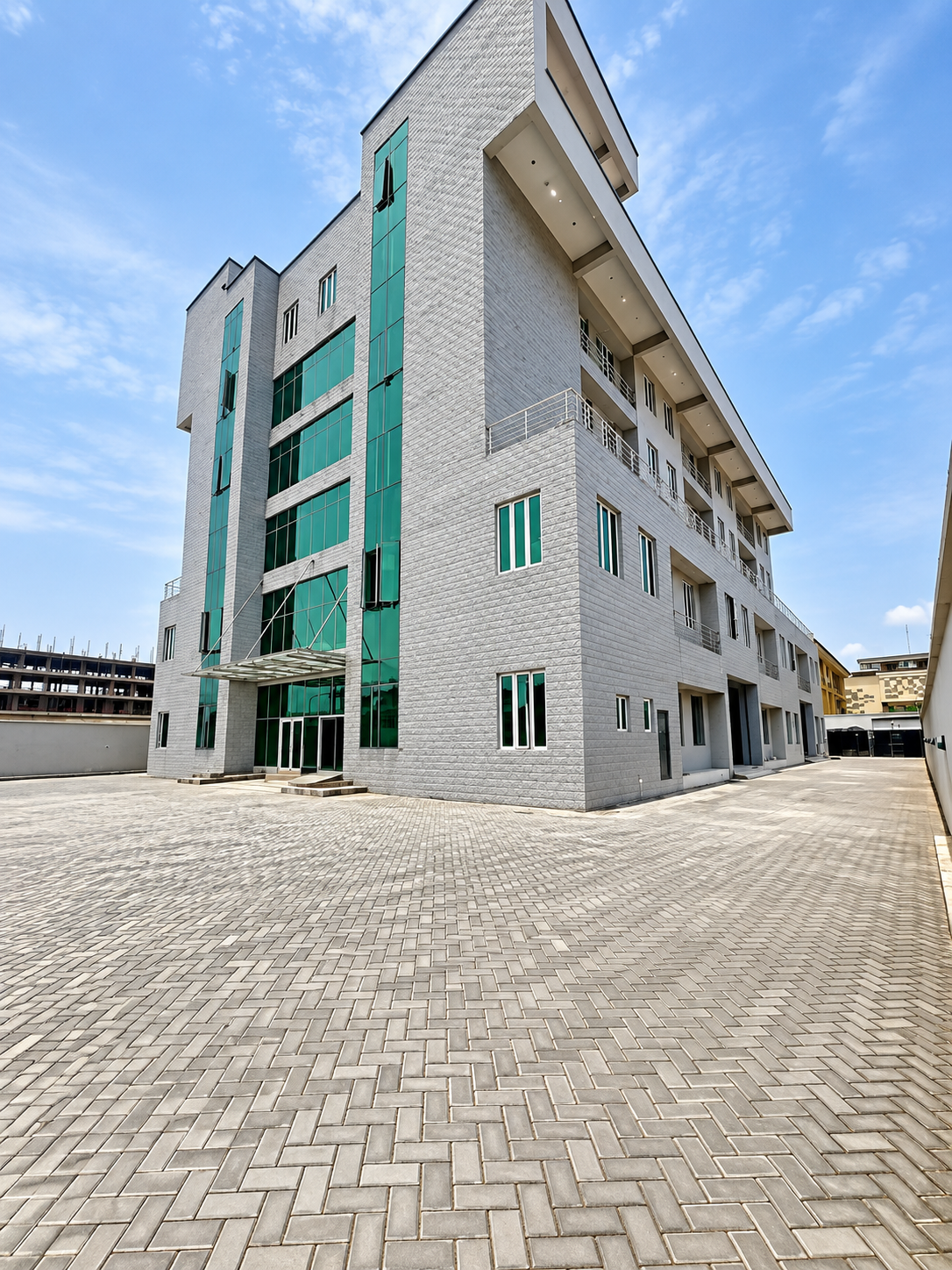
A practical market to for SMEs, technology companies, creative agencies, consulting firms and businesses serving the Lekki–Ajah corridor.

Ikeja
Best for logistics, aviation, technology, FMCG, administration and businesses with mainland-wide operations.
What to examine: Airport and industrial access, modern office facilities, staff commuting costs and available parking.
4. Why the advertised rent does not tell the whole story
In 2026, tenants should compare the total occupancy cost, not just the annual rent.
Consider a hypothetical office advertised at ₦28 million per year.
| Expense | Illustrative annual cost |
|---|---|
| Base rent | ₦28,000,000 |
| Service charge at ₦150,000/monthly | ₦1,800,000 |
| Power at ₦250,000 | ₦3,000,000 |
| Total before other charges | ₦32,800,000 |
The total is approximately ₦2.7 million per month, before fit-out, taxes, agency and legal fees, deposits or other applicable costs.
This example illustrates why a seemingly affordable office can become expensive once operating charges are included. The figures are illustrative rather than a verified market average.
5. What should landlords and tenants do differently in 2026?
For landlords
- Benchmark rents against comparable properties and actual tenant demand.
- Invest in reliable power, maintenance, security and parking.
- Consider incentives, phased fit-out periods or flexible lease structures when appropriate.
- Market the building’s operating advantages, not just its location.
For tenants
- Request a complete breakdown of service charges and energy costs.
- Negotiate lease terms, rent reviews and renewal conditions.
- Compare the cost per usable square metre, not only the advertised rate.
- Evaluate alternative locations before committing to a premium address.
For investors and commercial agents
- Track asking rents separately from signed lease rents.
- Record vacancy periods, incentives, achieved rents and tenant demand.
- Assess the pipeline of new office supply in each submarket.
- Evaluate net rental income after operating expenses, rather than relying on headline rent growth.
6. So, what actually changed in 2026?
The evidence available as of October 2026 points to a more differentiated office market rather than one uniform rent trend across Lagos.
- Prime office space continues to command a premium.
- The condition and quality of a building increasingly influence its competitiveness.
- Ikeja and the Lekki Free Trade Zone offer important alternatives to the established Island office markets.
- Occupiers have strong reasons to scrutinise the full cost of renting, while landlords need to demonstrate value to justify premium pricing.
Important limitation: The cited evidence establishes late-2025 rental movements and market developments reported during 2026. It does not establish a comprehensive, like-for-like percentage change in rents from January to October 2026 for every Lagos office submarket. Current asking rents and signed lease data would be needed to quantify that precisely.
Frequently asked questions (FAQ)
1. Are office rents in Lagos increasing in 2026?
Prime office rents entered 2026 on a stronger footing in some submarkets, particularly Victoria Island and Ikoyi. However, this does not mean every office has become more expensive; older or less competitive properties may face vacancy and negotiation pressure.
2. Which area is best for a business seeking affordable office space?
Ikeja and selected buildings in Lekki Phase 1 are worth comparing with Victoria Island and Ikoyi. The best choice depends on your budget, staff location, customers and the quality of the particular building.
3. Why are two offices in the same area priced differently?
Differences in building grade, floor area, power reliability, parking, service charges, fit-out, security and lease terms can produce substantial price differences.
4. Should a business rent a Grade A office in 2026?
Not automatically. A Grade A office can be worthwhile if its infrastructure, corporate image and operational reliability create sufficient value. Otherwise, a well-maintained lower-cost office may offer better economics.
5. What is the most important factor to negotiate before signing?
Start with the total cost of occupancy and the lease’s financial terms. Confirm annual rent, service charges, energy billing, upfront payment, rent reviews, renewal provisions and any additional fees in writing.